FEMA frustration boils over as Waynesville faces $3.8 million gap

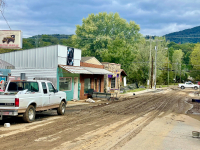
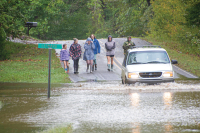
More than 17 months after Hurricane Helene carved a path of destruction through Western North Carolina, the floodwaters have long since receded — but Waynesville officials say the federal reimbursement process remains mired in uncertainty, denials, reversals and what several described as mounting roadblocks. 

Unpaid FEMA claims force Waynesville into budget reckoning

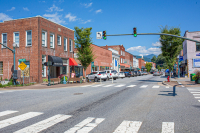
Crumbling promises and frozen FEMA reimbursements cast a long shadow over Waynesville’s budget retreat, where town officials confronted a stark reality — a $5.4 million deficit for the coming fiscal year, nearly $4 million of it tied up in lagging FEMA reimbursements from Hurricane Helene. 

With insurance costs climbing, mandated retirement contributions rising and capital requests topping $20 million, Waynesville Town Council will now face what one member called “the worst ever” budget picture in recent memory. 

In Waynesville, it’s market pay vs. municipal reality

At a Feb. 27 budget retreat, Waynesville aldermen confronted a familiar tension — how to keep municipal salaries competitive in a tightening labor market while staring down mounting infrastructure demands and lingering financial uncertainty tied to Hurricane Helene. 

Two presentations from Human Resources Director Page McCurry outlined the first steps in an overhaul of pay classifications, beginning with public works positions and moving next to police and fire. 

Straining for stabilization, Jackson weighs next budget

After last year’s property tax increase, Jackson County commissioners met Feb. 17 to begin planning next year’s budget, balancing fresh revenue growth against rising costs and lingering anxiety from property owners still absorbing the impact of escalating property values — just as a competitive Primary Election looms. 

Maggie Valley budget workshop balances growth, recovery

As Maggie Valley rebuilds from Hurricane Helene and absorbs slow but steady residential growth, aldermen have begun shaping a 2026-27 fiscal year budget defined by guarded optimism, rising service costs and lingering storm obligations. 

New Maggie Valley Town Manager Sam Cullen opened the workshop with a reminder that the board recently adopted a policy preventing the fund balance from dropping below 100% of annual expenditures — a common but informal goal for many of North Carolina’s smaller municipalities.

Clarifying Swain County commissioners’ budget, hiring process

Swain County commissioners held a Feb. 3 work session with updates about animal shelter funding and the interim county manager. But since neither process was explicitly spelled out to the public, audience members may have left with remaining questions. Here’s a breakdown of some potential questions. 

What happened regarding the labor cost of the animal shelter? Did commissioners do anything wrong?

High taxes, social turmoil frame Jackson chair race

As Jackson County heads toward the March 3 primary election, voters are being asked to assess a governing record shaped by rising costs, cultural conflict, a steady expansion of county government and mounting public concern. 

Over the last four budget cycles, Jackson County’s general fund has grown from $71.7 million in fiscal year 2021–22 to $106.9 million in the adopted 2025–26 budget — an increase of about 49%.

2025 A Look Back: Perfectly clear priorities award

Throughout a year when Western North Carolina was begging for more hurricane recovery funding and a less bureaucratic inefficiency, the North Carolina General Assembly demonstrated incredible flexibility and focus — just not on governing. 

WCU navigates budget uncertainty, prepares for what’s ahead

Six months after the North Carolina General Assembly’s deadline to produce an annual budget, Western Carolina University in Cullowhee is left weathering the effects of this stalemate — and preparing for an uncertain future. 

Quarter-cent sales tax back on the ballot in Macon

Macon County voters will again have the chance to raise their sales tax by a quarter cent, from 6.75 to 7 cents on the dollar, a measure that unlike raising property taxes would impact not only locals, but also visitors who shop and dine in the area. 

Smokey Mountain News Logo
SUPPORT THE SMOKY MOUNTAIN NEWS AND
INDEPENDENT, AWARD-WINNING JOURNALISM
Go to top
JSN Time 2 is designed by JoomlaShine.com | powered by JSN Sun Framework
Payment Information

/

At our inception 20 years ago, we chose to be different. Unlike other news organizations, we made the decision to provide in-depth, regional reporting free to anyone who wanted access to it. We don’t plan to change that model. Support from our readers will help us maintain and strengthen the editorial independence that is crucial to our mission to help make Western North Carolina a better place to call home. If you are able, please support The Smoky Mountain News.

The Smoky Mountain News is a wholly private corporation. Reader contributions support the journalistic mission of SMN to remain independent. Your support of SMN does not constitute a charitable donation. If you have a question about contributing to SMN, please contact us.